
Everything You Need to Know About Rosacea Acne
How rosacea differs from acne, what makes it flare, and how a calmer, physician-led plan can combine skincare, prescriptions and laser care.
On this page
Rosacea can look like acne, but it has different drivers and needs a different plan. Where acne centres on clogged pores and oil, rosacea is a chronic condition of facial redness, flushing and sometimes acne-like bumps and visible vessels. The most useful thing to know upfront is that rosacea is managed rather than cured, and treating it like ordinary acne often makes the redness worse.
This guide explains how to tell the difference, what tends to trigger flares, and which treatment categories may help. For assessment, PearlMD's skin rejuvenation team builds plans around diagnosis and skin tolerance rather than a single product.
Rosacea Compared With Acne, Allergy and Sensitive Skin
Several conditions can produce red, bumpy or irritated facial skin, and telling them apart guides treatment. A few general patterns, drawn from dermatology guidance such as the American Academy of Dermatology and the Canadian Dermatology Association:
- Acne usually involves blackheads and whiteheads with oil and clogged pores, and it often responds to acne-directed care.
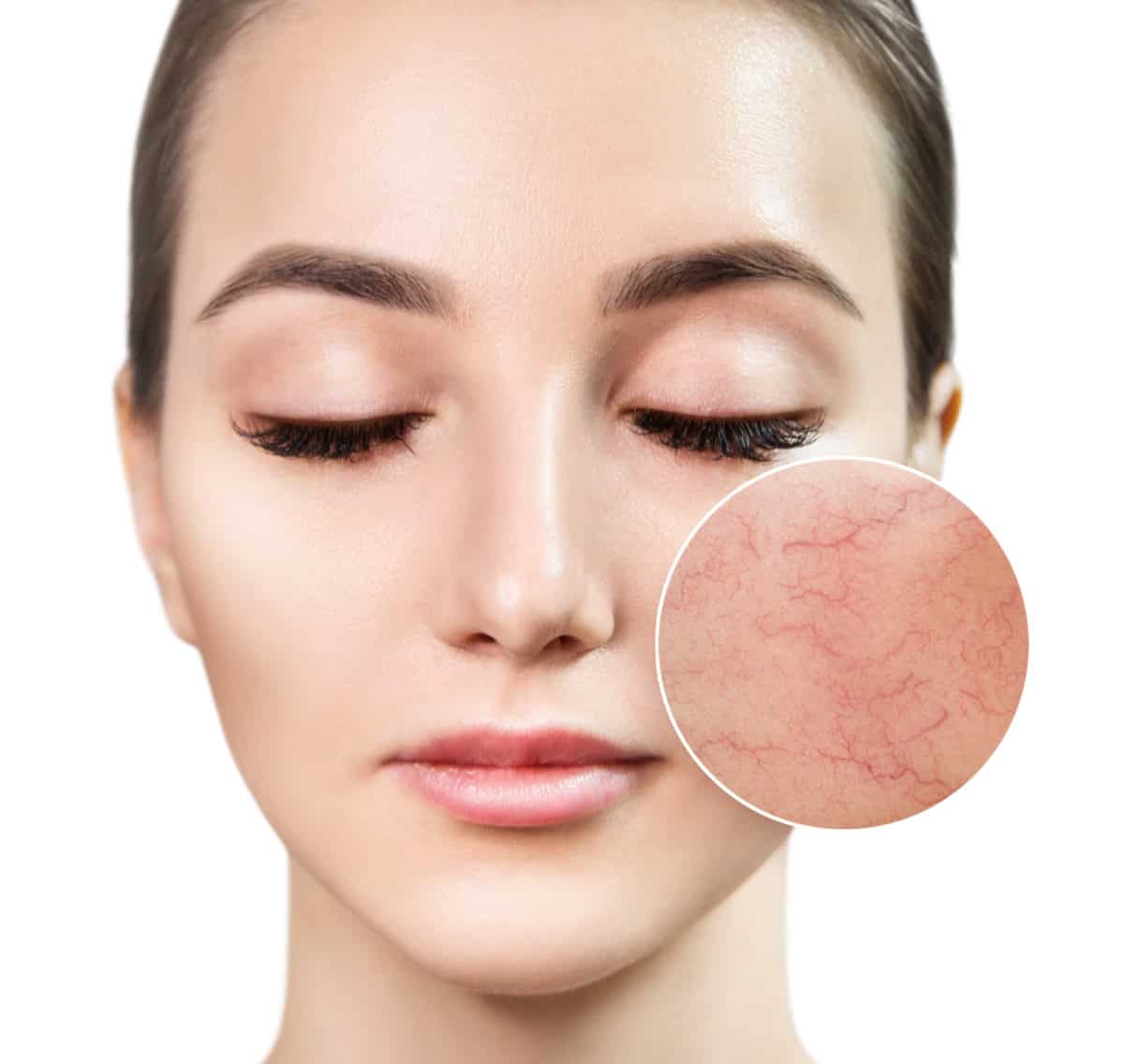
- Rosacea centres on persistent central-face redness, flushing, and sometimes acne-like papules and visible vessels, without the classic blackheads.
- Perioral dermatitis tends to cluster small bumps around the mouth, nose or eyes and can worsen with certain topical steroids.
- Sensitive or barrier-disrupted skin reacts with stinging and redness to products, and often calms with gentler routines.
Because the drivers differ, a diagnosis matters before choosing a plan. Only a qualified clinician can confirm which pattern is present.
Common Signs: Redness, Flushing, Bumps and Eye Symptoms
Rosacea often shows up as flushing that comes and goes, then persistent redness across the cheeks, nose, chin or forehead. Some people develop acne-like bumps, some notice small visible blood vessels, and a minority develop thickened skin on the nose over time.
Rosacea can also affect the eyes, causing dryness, grittiness or irritation, described by the Cleveland Clinic. Eye symptoms deserve medical attention rather than cosmetic treatment alone.
Chasing rosacea with strong acne products is one of the most common ways people accidentally make the redness worse.
PearlMD Editorial TeamWhy Rosacea Flares: Heat, Sun, Stress and the Skin Barrier
Rosacea flares are individual, but common triggers include sun exposure, heat, spicy foods, alcohol, stress and harsh skincare, summarised in the AAD's rosacea skincare tips. Over-exfoliation and aggressive acne actives can disrupt the skin barrier and add to redness.
Some people also report that hormonal changes and heat around the menopause transition affect flushing. Tracking your own triggers, then reducing the ones that matter most, is often more useful than following a generic list.
What Not to Do With Acne-Like Rosacea Bumps
When rosacea produces bumps, the instinct is often to treat them like acne with strong scrubs, high-strength actives or frequent exfoliation. That approach can strip the barrier and increase redness and stinging.
A gentler routine tends to serve rosacea-prone skin better: mild cleansing, fragrance-free moisturiser, daily broad-spectrum sunscreen and slow, careful introduction of any active. Where prescription care is needed, it should be guided by a clinician.
Rosacea is managed, not cured, and eye symptoms need review. Persistent redness, painful bumps or eye irritation should be assessed by a qualified clinician. This article is general information, and any treatment plan, including prescriptions or in-clinic care, should be personalised.
Treatment Options: Skincare, Prescriptions, Laser and Light
A rosacea plan usually layers several categories rather than relying on one. Foundations include trigger management, gentle barrier-supporting skincare and consistent sun protection. From there, a clinician may add prescription topicals or oral treatments where appropriate, discussed in this clinical review of practical rosacea management.
For persistent redness and visible vessels, in-clinic vascular laser and intense pulsed light therapies may help selected patients. Suitability depends on skin type, features and tolerance, and results vary by person.
A calmer, better-matched plan for your skin
Redness has more than one cause, so a plan should start with assessment. Explore PearlMD's vascular laser therapy, acne care and gentle resurfacing options such as Clear + Brilliant.
When Vascular Laser or IPL May Fit
Vascular laser and intense pulsed light target the visible blood vessels and background redness that skincare cannot fully address. For the right candidate, a series of treatments may reduce persistent redness and improve overall tone.
These are medical procedures with candidacy considerations, so PearlMD assesses skin type, sensitivity and features first. Gentle treatments such as microneedling may also support skin quality when the barrier is stable.
How PearlMD Builds a Calmer Skin Plan
PearlMD's approach starts with diagnosis and skin tolerance, then sequences skincare, prescriptions where needed and in-clinic care conservatively, guided by Dr. Jennifer Pearlman. The aim is a calmer, more predictable complexion over time, with maintenance and reassessment built in.
The promise is not a cure. The promise is a plan matched to your skin, your triggers and your tolerance, so redness is easier to live with and less likely to flare.
Frequently Asked Questions
How do I tell rosacea from adult acne?
What triggers rosacea flares?
Can laser or IPL help rosacea?
Can rosacea be cured?
Dr. Jennifer Pearlman, MD
Founder & Medical Director, PearlMD Rejuvenation
Physician expert in women's health, hormones, longevity, and regenerative and aesthetic medicine, bringing menopause medicine, functional care and aesthetics into one medical lens. Meet Dr. Pearlman →

A calmer complexion starts with the right plan.
Book a physician-led skin assessment with the PearlMD team in Midtown Toronto and start with a diagnosis, then a plan matched to your skin.